
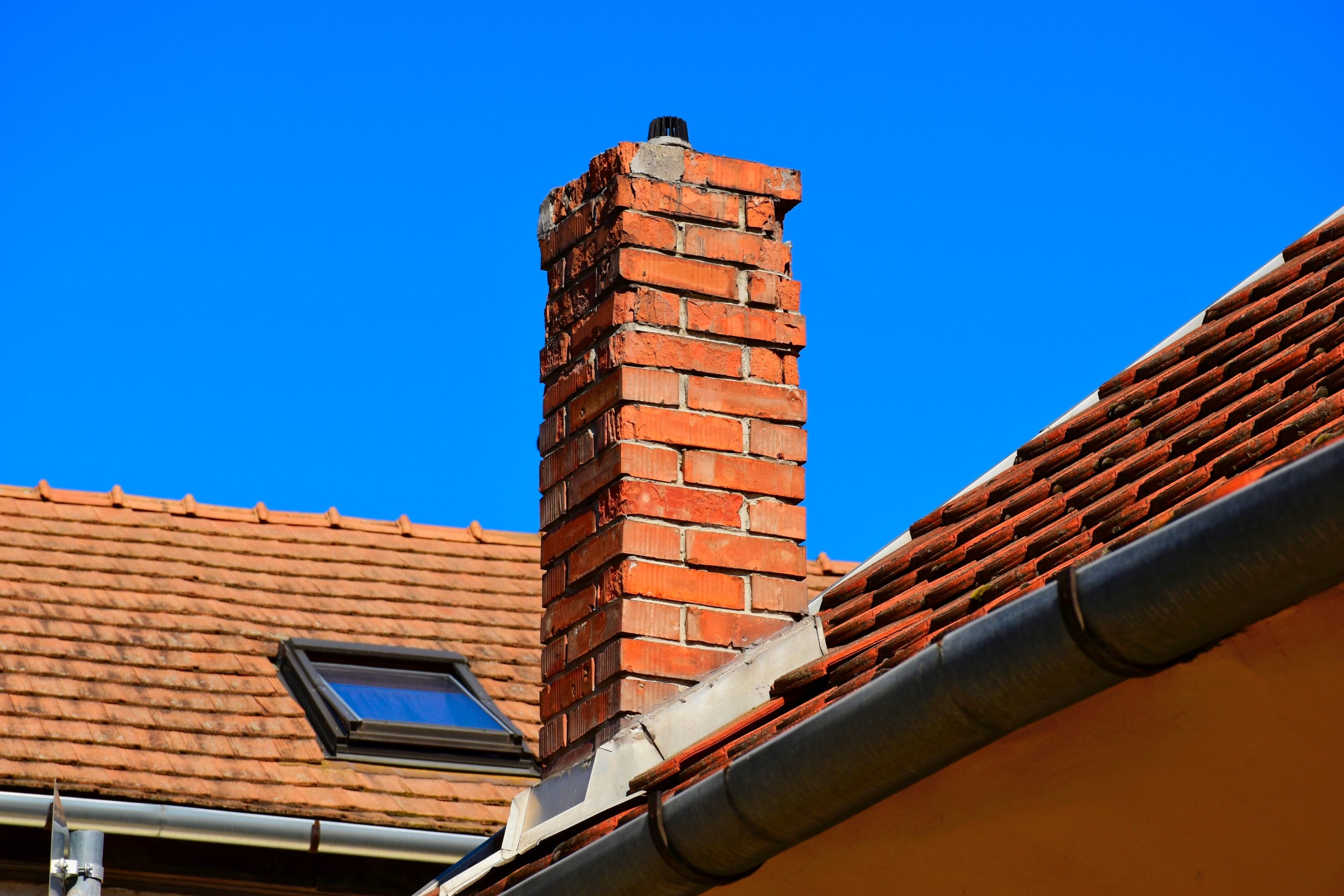
As temperatures eventually cool across Los Angeles, preparing your hearth should become a top priority. Many local homes feature aging masonry that is susceptible to hidden wear and tear over the years. Catching subtle warning signs early is the absolute best way to protect your property and chimney. Read on to discover more about these five red flags – and why they warrant professional chimney repair services before winter begins.
🚩 Bad odors
🚩 Smoke in the home
🚩 Cracked chimney flue
🚩 White discoloration
🚩 Black soot stains
Why Is There a Smell Coming From My Fireplace?
A fireplace should bring warmth and comfort to your home, not unpleasant odors. If you notice a strange, lingering smell coming from your hearth, this is often one of the first indicators that you need professional chimney repairs or maintenance. These odors can range from a damp, musty scent to a strong barbecue smell – and they rarely resolve on their own. The most common culprits behind fireplace smells include:
- Creosote Buildup: A highly flammable byproduct of burning wood that smells like asphalt or burnt barbecue, especially during humid weather
- Moisture Intrusions: Leaks in your chimney can create a damp, musty, or mildew-like odor
- Animal Activity: Nests, droppings, or even deceased pests trapped in the flue will cause pungent, foul smells
- Debris Accumulation: Rotting leaves and twigs blocking the draft can emit a noticeable decay odor
Why Is Smoke Coming Into My House From the Fireplace?
When your fireplace functions correctly, smoke should draft effortlessly up the flue and out of your home. If you notice smoke billowing back into your living room instead, this is a serious safety concern that requires immediate troubleshooting and potential chimney repairs. Not only does this ruin your indoor air quality, but it also leaves an unpleasant, lingering odor on your furniture.
Several underlying issues can cause fireplace draft problems:
- Blocked Flue: Animal nests, leaves, or heavy creosote can physically obstruct the escape of smoke.
- Closed or Broken Damper: A damper that is stuck closed or malfunctioning will immediately force smoke indoors.
- Negative Air Pressure: Modern, tightly sealed homes can sometimes pull air down the chimney to equalize pressure.
- Structural Damage: Deteriorating brickwork or a damaged smoke chamber can disrupt the natural upward airflow.
What Does a Cracked Chimney Flue Look Like?
The flue liner is arguably the most critical safety component of your fireplace, designed to protect your home’s combustible materials from intense heat. Unfortunately, these liners can suffer damage over time due to heat stress, moisture, or settling. Because the liner is hidden inside the masonry, spotting damage requires a professional camera inspection, but there are some visible clues that indicate you urgently need chimney repair.
Signs of a cracked flue include:
- Pieces of Clay: Finding shards of clay tile or ceramic debris sitting inside your firebox
- Displaced Masonry: Noticeable gaps, cracks, or shifting in the exterior bricks and mortar joints
- Excessive Heat: Adjacent walls or ceilings feeling unusually hot to the touch while a fire is burning
- Draft Issues: A sudden change in how well your fireplace drafts, caused by air escaping through liner cracks
Why Is There White Staining on My Chimney?
If you glance at the exterior of your chimney and notice a chalky, white, powdery substance coating the bricks, you are looking at a something known as efflorescence. This white staining is a major red flag that excess moisture is successfully penetrating your masonry system.
How does efflorescence happen? As rainwater enters the porous bricks and mortar, it dissolves the natural salts hidden inside the materials. When that trapped water eventually evaporates on the exterior surface, it leaves those crystallized salts behind. While the white powder itself is easily washed away, the underlying moisture problem requires chimney repair services.
If left unaddressed, the trapped water will cause the bricks to spall, crack, and ultimately deteriorate over time, compromising the entire structure of your fireplace and leading to incredibly costly rebuilds.
What Causes Black Soot Around the Fireplace Opening?
Seeing dark, ugly black stains forming above or around your fireplace opening is frustrating for any homeowner. This dark staining is more than just an aesthetic issue – it’s a clear symptom that smoke and soot are not venting properly out of your home. When soot stains the face of your hearth, it strongly suggests that you might need a professional inspection and a prompt chimney repair. Common reasons for this discoloration include:
- Undersized Flue: If the flue is too small for the firebox, it cannot handle the volume of smoke produced.
- Damper Issues: A damper that does not open fully restricts the draft, pushing soot-filled smoke outward.
- Heavy Creosote: Excessive buildup inside the system narrows the passage, causing smoke to roll out into the room.
- Burning Wet Wood: Unseasoned wood produces excess smoke and heavy soot that stains surrounding masonry.
Schedule Your Southern California Chimney Inspection Today
If you notice any of these warning signs, do not wait to take action. Addressing these issues early ensures your Los Angeles area home remains safer and more comfortable all season long. Contact our team today to schedule an inspection and handle any necessary chimney repair services before you light your next fire.